Imagine a city where finding a parking spot is never a hassle. Intelligent parking systems are revolutionizing urban mobility. These systems efficiently manage space, enhance security, and support environmental goals. In this post, you'll learn what intelligent parking is, why it's crucial for modern cities, and explore leading parking technologies.
The Evolution of Intelligent Parking Systems
Historical Background of Parking Systems
Parking systems have evolved significantly over the past century, driven by the growing need to manage limited urban space efficiently. The earliest automated parking system (APS) appeared in Paris in 1905. It featured a multi-story concrete structure and an internal car elevator, allowing attendants to park vehicles on upper levels. This innovation marked the beginning of mechanized parking solutions designed to maximize space.
In the 1920s, the paternoster system—a Ferris wheel-like mechanism for cars—gained popularity. It could park eight cars in the space usually needed for two, making it a space-saving marvel. Developed by Westinghouse Corporation in 1923, the paternoster was mechanically simple and compact, suitable for various settings including indoor locations.
The mid-20th century saw a surge in automated parking interest in the U.S., with systems like Bowser, Pigeon Hole, and Roto Park installed widely. However, frequent mechanical issues and long wait times led to waning enthusiasm. Meanwhile, Europe, Asia, and Central America continued advancing APS technology, with Japan installing nearly 40,000 parking spaces annually by the 1990s.
Technological Advancements in Parking Solutions
Technological progress has transformed parking systems from simple mechanical lifts to sophisticated automated and robotic solutions. Early systems relied heavily on elevators and rotating platforms, but modern APS use electric motors, hydraulic pumps, and computer-controlled mechanisms.
Fully automated systems now operate like robotic valets. Drivers leave their cars at an entry point, and the system automatically transports vehicles to optimized parking spaces. Some advanced systems even measure car dimensions to allocate the smallest suitable spot, enhancing space efficiency further.
Semi-automated systems require some human interaction, either from attendants or drivers, to assist in parking. These solutions strike a balance between cost and automation, often used when full automation is not feasible.
The integration of software and sensors has improved system reliability and user convenience. Real-time monitoring, ticketless entry, and mobile app integration allow smoother operation and reduce wait times.
Impact of Urbanization on Parking Needs
Rapid urbanization and increased car ownership have intensified parking challenges worldwide. Cities face scarcity of land and rising property costs, making traditional parking garages less viable. Intelligent parking systems address these issues by significantly reducing the footprint required for parking.
By stacking cars vertically and eliminating driving lanes and pedestrian walkways inside parking areas, APS free up valuable space for other uses. This is especially important in dense urban environments where every square foot counts.
Moreover, intelligent parking systems contribute to sustainability goals by lowering emissions. They reduce the time drivers spend searching for parking, cutting down fuel consumption and air pollution. The minimized structural materials and energy-efficient designs also support eco-friendly urban development.
As urban populations grow, the demand for smart, space-saving parking solutions will only increase. Intelligent parking systems are thus becoming an essential part of modern city planning, helping to balance mobility needs and environmental concerns.
Note: Early automated parking systems like the paternoster paved the way for today's advanced robotic solutions, highlighting the importance of continuous innovation in addressing urban parking challenges.
Types of Intelligent Parking Systems
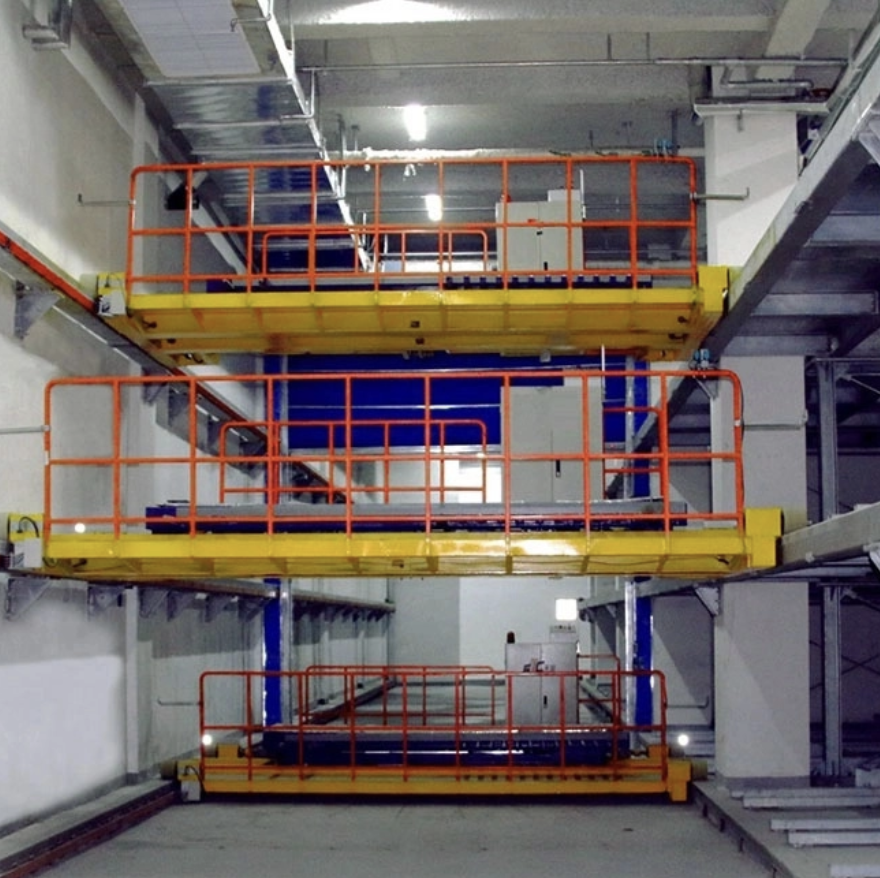
Intelligent parking systems come in various forms, each designed to optimize space, improve efficiency, and enhance user experience. The main types include Automated Parking Systems (APS), Semi-Automated Parking Solutions, and Mechanical Parking Systems. Understanding these types helps in selecting the right system for specific urban or commercial needs.
Automated Parking Systems (APS)
Automated Parking Systems are fully mechanized and operate with minimal human intervention. Drivers park their cars at an entry bay, exit the vehicle, and the system takes over. It uses robotic lifts, conveyors, or shuttles to transport and store the car in an optimized parking space. These systems maximize space by eliminating driving lanes, ramps, and pedestrian walkways inside the parking area.
Key features of APS include:
● Driverless operation: No need for attendants or drivers inside the parking structure.
● Space efficiency: Cars are stacked tightly, often vertically, to use minimal land.
● Advanced technology: Sensors, software, and robotics work together for smooth vehicle handling.
● Improved security: Cars are stored in inaccessible areas, reducing theft and damage risks.
● Faster retrieval: Automated systems can quickly locate and deliver vehicles on demand.
Examples include robotic garages found in dense urban centers and luxury residential buildings. APS are ideal for locations with high land costs or limited space.
Semi-Automated Parking Solutions
Semi-Automated Parking Solutions blend human involvement and mechanical assistance. Drivers or attendants may be required to position the car on a platform or conveyor, after which the system moves the vehicle to its parking spot. This approach reduces costs compared to fully automated systems while still increasing space efficiency.
Characteristics of semi-automated systems:
● Partial automation: Requires some manual input for vehicle placement or retrieval.
● Cost-effective: Lower initial investment than full APS.
● Moderate space savings: Eliminates some driving lanes and ramps but not all.
● Flexible implementation: Suitable for medium-sized facilities or upgrades to existing garages.
Semi-automated systems often use stackers, puzzle lifts, or car elevators to rearrange vehicles. They serve well in parking structures where full automation is impractical due to budget or space constraints.
Mechanical Parking Systems
Mechanical Parking Systems use physical devices such as lifts, stackers, turntables, or conveyors to increase parking density but rely heavily on human operation. Drivers may park their cars on platforms that move vertically or horizontally, allowing multiple cars to occupy the same footprint.
Features of mechanical systems include:
● Manual operation: Drivers or attendants handle vehicle movement on platforms.
● Simple technology: Often uses hydraulic or electric lifts and platforms.
● Space optimization: Allows stacking cars vertically or arranging them tightly.
● Lower cost: Compared to automated systems, mechanical solutions are more affordable.
● Versatile applications: Can be installed in residential, commercial, or industrial settings.
Mechanical systems are common in older buildings or places where automation is not justified. They provide a practical way to increase capacity without complex robotics.
Tip: When choosing a parking system, consider the balance between automation level, space savings, and budget to ensure the solution fits your project's specific needs.
Benefits of Intelligent Parking Systems
Space Efficiency and Land Usage
Intelligent parking systems excel at saving space, a critical advantage in crowded urban areas. By automating car storage, these systems stack vehicles closely without the need for wide driving lanes or pedestrian walkways. This vertical stacking and precise vehicle placement maximize the number of cars parked in a smaller footprint compared to traditional garages.
For example, automated parking systems eliminate the space needed for drivers to maneuver, open doors, and walk around their cars. This allows parking structures to be more compact and often reduces the total land area required by up to 50%. Developers can use the saved space for green areas, retail, or additional building floors, increasing the overall value of the property.
Additionally, intelligent systems often have lower ceiling heights since no pedestrian access is needed inside the parking area. This design reduces construction materials and costs, further enhancing land use efficiency.
Enhanced Security and Safety
Security improves significantly with intelligent parking systems. Cars are stored in secured, restricted areas inaccessible to the public, reducing theft and vandalism risks. Since vehicles are handled by automated machinery, the chance of accidental damage like door dings or scratches decreases.
Safety for drivers and pedestrians also benefits. Users avoid walking through dimly lit or isolated parking garages, lowering the risk of accidents or personal harm. The system’s controlled environment reduces hazards related to traffic congestion inside the parking facility.
Moreover, intelligent systems often include surveillance cameras, real-time monitoring, and emergency communication features, adding layers of protection. These technologies provide peace of mind for users and property managers.
Environmental and Economic Advantages
Intelligent parking systems contribute to environmental sustainability and cost savings. By minimizing the time drivers spend searching for parking, they cut down fuel consumption and vehicle emissions. This reduction helps improve urban air quality and supports city sustainability goals.
Energy efficiency is another plus. Automated systems require less lighting and ventilation since human access inside parking areas is limited. The compact design also reduces the amount of construction materials needed, lowering the environmental footprint of building the facility.
Economically, intelligent parking systems can reduce operational costs. They require fewer attendants and less maintenance compared to traditional garages. The increased parking capacity can generate higher revenue per square foot. Over time, these factors contribute to a strong return on investment.
Tip: When planning a parking facility, prioritize intelligent parking systems for their proven ability to maximize space, enhance security, and support environmental goals, boosting both usability and profitability.
Challenges and Solutions in Intelligent Parking
Technical and Operational Challenges
Intelligent parking systems face several technical and operational hurdles. Mechanical complexity can lead to system malfunctions, causing delays or vehicle entrapment. For example, some early automated systems experienced frequent breakdowns, frustrating users and operators alike. Integrating sensors, robotics, and software requires precise calibration to ensure smooth vehicle handling. Additionally, user unfamiliarity with automated processes may cause operational errors, such as failing to activate system controls properly.
Another challenge lies in managing peak demand periods. Systems optimized for steady flow may struggle during rush hours or event-related surges, resulting in longer wait times. Moreover, the need for regular maintenance and timely repairs is critical to prevent downtime and maintain safety standards.
Solutions for High Peak Volume Applications
To address peak volume challenges, intelligent parking systems incorporate several strategies. First, advanced queue management software can prioritize vehicle flow, minimizing bottlenecks. Some systems use multiple entry and exit points to distribute traffic evenly. Implementing real-time monitoring helps operators identify congestion early and take corrective action.
Hybrid solutions combining fully automated and semi-automated components can offer flexibility during busy times. For example, attendants may assist in vehicle placement to speed up processing when demand spikes. Designing systems with scalable capacity allows expansion or temporary adjustments to accommodate fluctuating volumes.
Robust user interfaces and clear instructions reduce errors caused by unfamiliarity. Mobile apps providing real-time status updates and reservation options enhance user experience and smooth peak loads.
Future Trends in Intelligent Parking
Emerging technologies promise to overcome many current challenges. Artificial intelligence (AI) and machine learning algorithms will optimize space allocation and traffic flow dynamically. Integration with smart city infrastructure will enable seamless communication between vehicles, parking systems, and traffic management.
Autonomous vehicles will further revolutionize parking by enabling cars to park themselves in tight spaces without human input. This will reduce the need for large pedestrian access areas and speed up parking processes.
Sustainability will drive innovations like energy-efficient systems powered by renewable sources and designs that support electric vehicle charging.
The future of intelligent parking lies in creating adaptable, user-friendly, and eco-conscious solutions that can handle increasing urban demands effortlessly.
Tip: To ensure smooth operation during busy times, implement real-time monitoring and user-friendly interfaces that guide drivers through the automated parking process efficiently.
Case Studies of Leading Intelligent Parking Systems
Successful Implementations in Urban Areas
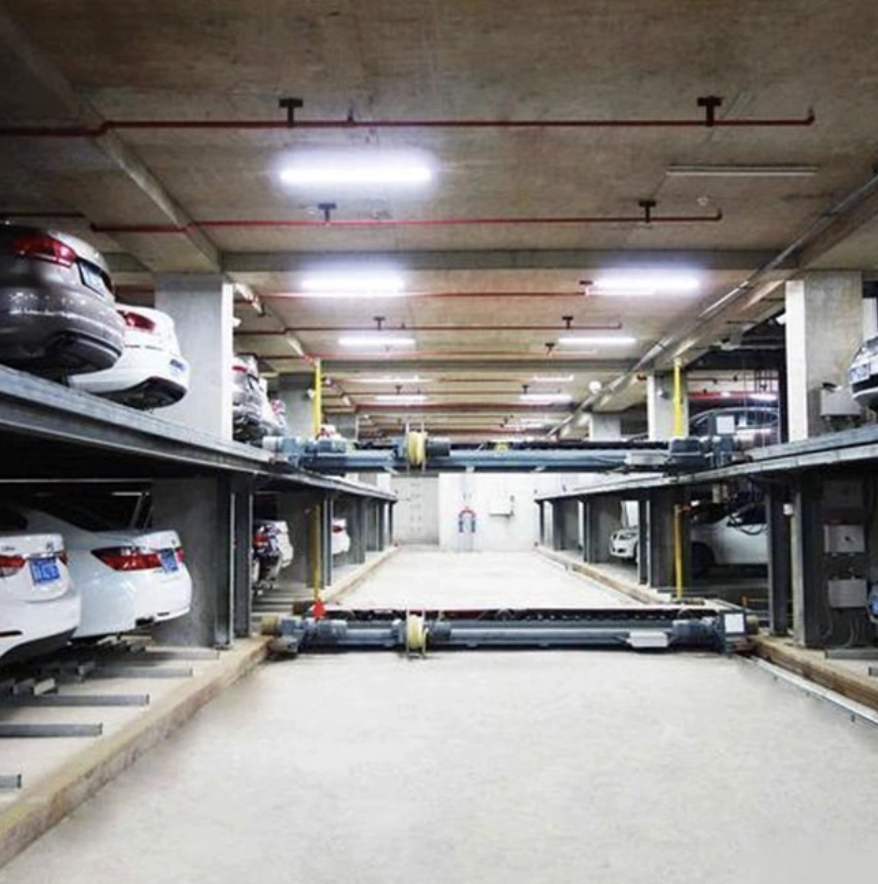
Intelligent parking systems have been successfully deployed in many urban environments worldwide. These implementations demonstrate how automated and robotic parking solutions can address dense city challenges, such as limited space, high land costs, and environmental concerns.
In cities like Copenhagen, Tokyo, and Dubai, automated parking systems (APS) have transformed how developers use space. These systems allow more cars to fit into smaller footprints, freeing up land for green spaces, commercial use, or additional housing. Urban planners appreciate how APS reduce traffic congestion caused by drivers searching for parking, improving overall mobility.
Many urban projects combine sustainability goals with smart parking technology. For example, eco-efficient systems integrate electric vehicle charging and energy-saving designs. These projects show how intelligent parking supports cleaner, greener cities while meeting growing parking demands.
Case Study: Automated Parking in Copenhagen
Copenhagen is a pioneer in adopting intelligent parking systems for urban sustainability. The city’s smallest automated parking facility, located at Nørre Allé, showcases how compact APS can enhance urban mobility and reduce environmental impact.
This facility uses robotic lifts and conveyors to park cars tightly in a multi-level structure. Drivers simply leave their vehicles at an entry bay, and the system transports cars to optimized spots. The design eliminates the need for ramps, driving lanes, or pedestrian walkways inside the garage, saving significant space.
Besides space efficiency, the system improves safety and security by restricting public access to parked cars. Its energy-efficient lighting and ventilation further reduce the environmental footprint. Copenhagen’s automated parking supports the city’s goals of reducing emissions and promoting sustainable urban living.
Other Copenhagen projects, like Leifsgade and Under Elmene, also feature eco-friendly automated parking. These systems demonstrate how intelligent parking can be integrated seamlessly into residential and mixed-use developments, boosting property value and user convenience.
Case Study: Robotic Parking in Seattle
Seattle’s South Lake Union neighborhood is home to a cutting-edge robotic parking garage designed to meet the needs of a growing urban population and healthcare infrastructure. The Seattle Cancer Care Alliance incorporated a fully automated parking system into its building expansion to address limited space and patient accessibility.
This robotic garage uses advanced software and mechanical systems to park and retrieve vehicles efficiently. Patients and visitors drop off their cars at a designated entry point, and the system handles vehicle storage automatically. The design minimizes walking distances and improves safety for patients with mobility challenges.
The Seattle robotic parking system also reduces the building’s footprint compared to traditional garages, allowing more space for medical facilities and green areas. It exemplifies how intelligent parking solutions can support complex urban projects, balancing operational needs and sustainability.
Tip: When planning urban developments, consider case studies like Copenhagen and Seattle to understand how automated parking systems can optimize space, enhance user experience, and support sustainability goals.
Cost Considerations and ROI of Intelligent Parking
Comparing Costs with Traditional Parking Structures
When evaluating intelligent parking systems, cost comparison with traditional parking garages is essential. Automated Parking Systems (APS) usually have higher upfront construction costs than multi-story garages. For example, building an APS for 200 spaces might cost between $5 million and $7 million, while a traditional garage of similar capacity can range from $3 million to $9 million depending on location and design.
However, APS require less land and smaller footprints due to space-saving designs. They eliminate driving lanes, ramps, and pedestrian walkways, reducing construction materials and labor. This can offset some initial expenses, especially in high land-value urban areas.
Moreover, APS often reduce operating costs by requiring fewer attendants and less maintenance. Energy savings arise from lower lighting and ventilation needs because no pedestrian access exists inside the parking area. These factors contribute to long-term cost benefits.
Factors Influencing Cost Efficiency
Several variables affect the cost efficiency of intelligent parking systems:
● Location and Land Costs: High urban land prices increase the value of space saved by APS, improving their cost-effectiveness.
● System Size and Capacity: Larger systems benefit from economies of scale but require higher initial investment.
● Automation Level: Fully automated systems cost more than semi-automated or mechanical solutions but yield greater space savings and operational efficiencies.
● Design Complexity: Custom solutions or integration with existing structures may raise costs but add value through tailored functionality.
● Local Regulations and Codes: Compliance requirements can influence design and construction expenses.
● Technology Providers: Partnering with experienced manufacturers ensures quality and longevity, affecting lifecycle costs.
Long-term Return on Investment
Intelligent parking systems offer strong ROI potential over time. Although initial costs are higher, these systems:
● Increase parking capacity per square foot, allowing developers to maximize property value.
● Reduce land acquisition needs, lowering overall project expenses.
● Lower operational costs by minimizing staff and energy usage.
● Enhance user experience, attracting customers or tenants willing to pay premium rates.
● Support sustainability goals, potentially unlocking incentives or tax benefits.
For example, a mixed-use development installing an APS may charge higher parking fees due to convenience and security, boosting revenue. Additionally, the space saved can be repurposed for retail or residential units, generating extra income.
A detailed financial analysis considering construction, operation, and revenue streams is crucial to assess ROI accurately. Many projects report payback periods ranging from 5 to 15 years depending on scale and market conditions.
Tip: When planning an intelligent parking system, conduct a thorough cost-benefit analysis including land value, automation level, and operational savings to ensure a favorable long-term return on investment.
Conclusion
Intelligent parking systems offer space efficiency, enhanced security, and environmental benefits. Future innovations will drive further advancements in parking technology. Jiangsu Fengye Parking System Co., Ltd. provides cutting-edge solutions, ensuring value through advanced features and reliable services.
FAQ
Q: What is an Intelligent parking system?
A: Intelligent parking systems are advanced solutions that automate vehicle storage, optimizing space and enhancing user experience in urban areas.
Q: How do Intelligent parking systems work?
A: They use robotic lifts, conveyors, and software to automatically park and retrieve vehicles, minimizing human intervention.
Q: Why choose Intelligent parking systems over traditional ones?
A: They offer space efficiency, improved security, and environmental benefits, reducing emissions and operational costs.
Q: Are Intelligent parking systems cost-effective?
A: Though initially more expensive, they save land and operational costs, offering strong ROI over time.
Q: Can Intelligent parking systems face technical issues?
A: Yes, they may experience malfunctions, but advanced monitoring and maintenance can mitigate these challenges.