Ever circled a crowded lot, searching for a parking spot, feeling frustration rise? You're not alone. Finding parking on busy days can be a daunting task, leading to stress and wasted time. Efficient parking strategies are crucial to overcoming these challenges. In this post, you'll learn about planning, technology, and alternative solutions to ease your parking woes.
Understanding the Parking Dilemma
Factors contributing to parking congestion
Parking congestion on busy days arises from several key factors:
● High demand vs. limited supply: On busy days, more drivers seek parking spaces than are available, especially in popular areas like shopping centers, event venues, or downtown districts.
● Inefficient use of space: Traditional parking lots and garages often have wide lanes and large spaces to accommodate door opening and maneuvering. This design reduces total capacity.
● Poor layout and signage: Confusing layouts or inadequate signage can cause drivers to circle around, wasting time and increasing congestion.
● Peak hour surges: Congestion spikes during specific times, such as weekends, holidays, or event start/end times, overwhelming available parking.
● Lack of real-time information: Without knowledge of available spots, drivers spend extra time searching, further clogging parking areas.
Impact of inefficient parking on drivers and the environment
Inefficient parking systems create multiple problems:
● Driver frustration and wasted time: Searching for a spot can lead to stress, delays, and missed appointments.
● Increased fuel consumption and emissions: Circling vehicles burn more fuel, releasing extra carbon dioxide and pollutants, worsening air quality.
● Traffic congestion: Parking search traffic adds to overall road congestion near busy destinations.
● Safety risks: Crowded lots increase chances of minor accidents, such as fender benders or pedestrian collisions.
● Economic costs: Time lost and extra fuel expenses add up, impacting both individuals and businesses.
Addressing these issues requires smarter parking strategies that maximize space use, reduce search times, and minimize environmental impact.
Tip: Use real-time parking availability data and clear signage to reduce search time and improve traffic flow during peak parking demand.
Efficient Parking Strategies
Planning ahead and knowing peak hours
One of the best ways to find a parking spot on busy days is to plan ahead. Knowing when peak hours occur can save you a lot of time and frustration. Peak hours usually happen during weekends, holidays, special events, or rush hours near popular destinations. By avoiding these times or arriving early, you increase your chances of finding a spot quickly.
Here are some tips for planning:
● Check event schedules: If you’re going to a concert, sports game, or festival, check the start and end times. Arrive before the crowd or after the event to avoid the rush.
● Know local traffic patterns: Some areas have predictable busy times. Use local news or traffic apps to stay informed.
● Allow extra time: On busy days, give yourself extra time to find parking. This reduces stress and helps you avoid rushing.
Utilizing parking apps and technology
Technology has transformed how we find parking. Many apps now provide real-time information about available parking spots, prices, and even let you reserve a space in advance. Using these tools can drastically reduce the time spent circling for a spot.
Popular features of parking apps include:
● Real-time availability: See which spots are open nearby.
● Price comparison: Find the cheapest option.
● Reservations: Book a spot before you arrive.
● Navigation: Get directions directly to your reserved space.
● Payment options: Pay through the app to save time.
Examples of widely used parking apps include ParkMobile, SpotHero, and ParkWhiz (please verify current availability in your area).
Using these apps not only saves time but also reduces fuel consumption and emissions by cutting down search time.
Tip: Always check parking app updates and local traffic alerts before heading out on busy days to optimize your parking search and avoid unexpected delays.
Automated Parking Systems
Overview of automated parking systems
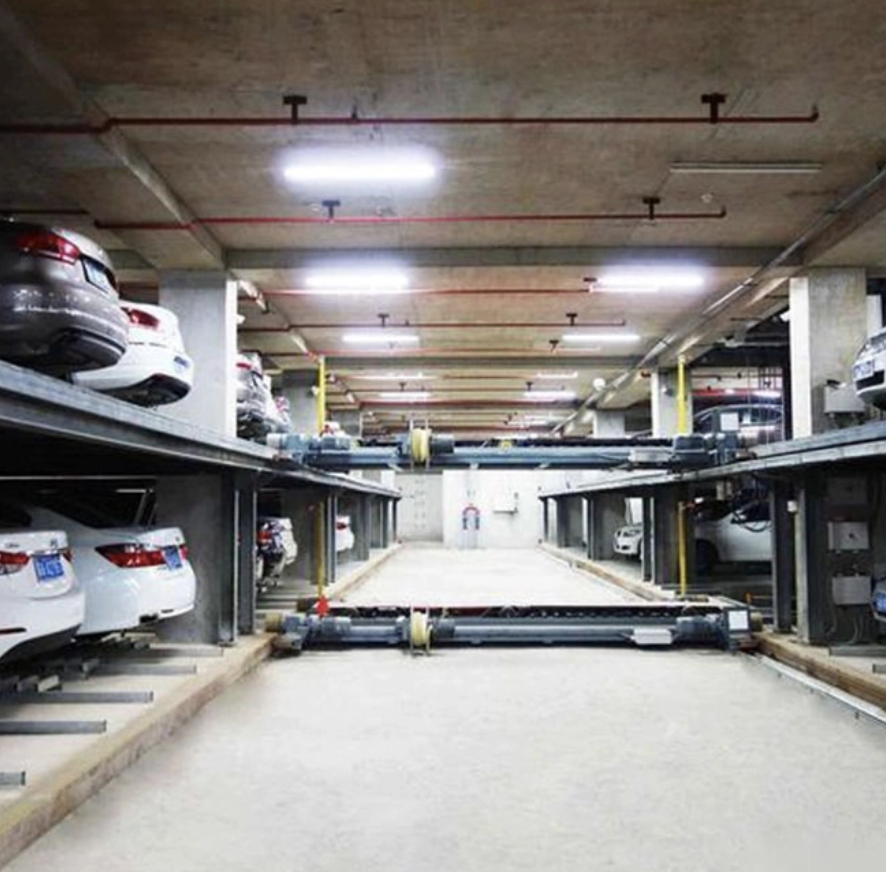
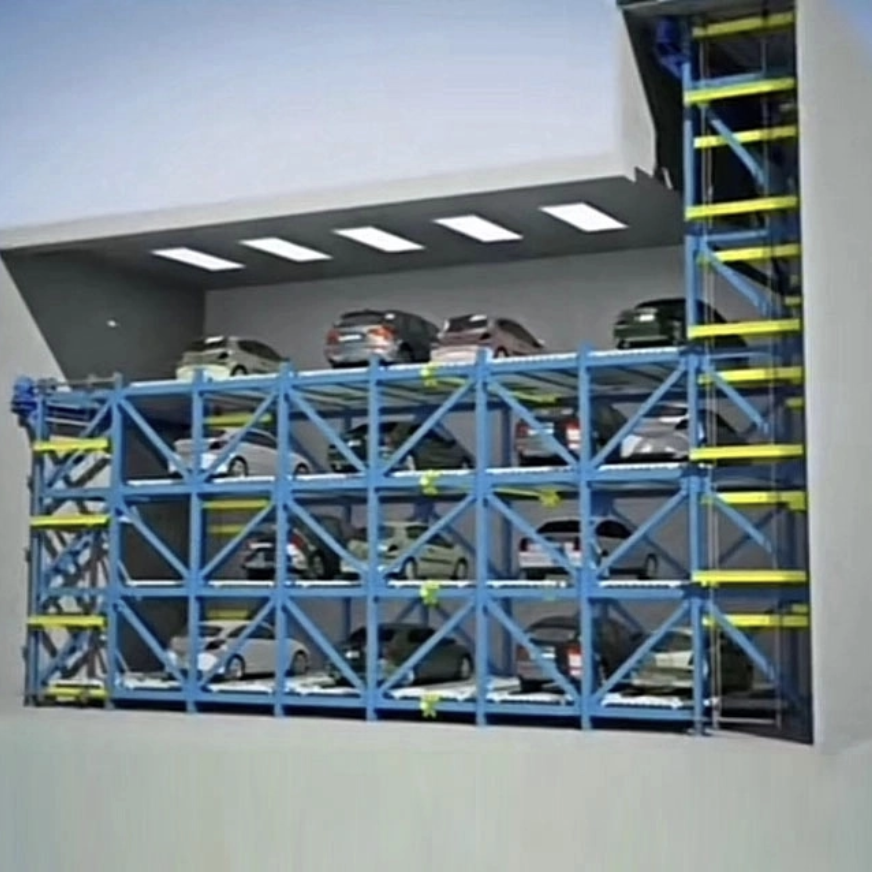
Automated parking systems (APS) are mechanical setups designed to park cars efficiently by stacking them vertically or arranging them in compact spaces. Unlike traditional parking garages, where drivers park their own cars, APS use machines or robots to move vehicles to and from parking spots. This method saves a lot of space because it removes the need for wide driving lanes, ramps, and extra room for opening car doors.
There are two main types of automated parking systems:
● Fully automated systems: Drivers leave their cars at an entry point. The system then takes over, moving the car to a designated parking spot using lifts, conveyors, or robotic shuttles. When the driver returns, the system retrieves the car automatically.
● Semi-automated systems: The driver or an attendant moves the car into a transfer area, and then the system handles the rest of the parking process.
These systems are especially useful in urban areas where land is scarce and expensive. They can be built underground, inside buildings, or in irregularly shaped spaces where traditional garages wouldn't fit.
Benefits of using automated parking solutions
Automated parking systems offer several advantages over traditional parking methods, particularly on busy days:
● Space efficiency: APS can reduce the footprint needed for parking by up to 50% or more. This means more cars fit into less space, freeing up land for other uses.
● Time savings: Drivers don’t waste time searching for spots. The system parks and retrieves cars quickly, reducing wait times during peak hours.
● Reduced emissions: Since cars aren’t driven around looking for parking, fuel consumption and pollution decrease, helping the environment.
● Enhanced security: Cars are stored in secure areas with no public access, lowering the risk of theft, vandalism, or damage.
● Safety improvements: With no pedestrians walking through parking zones, the chance of accidents drops.
● Lower operating costs: Automated systems can reduce the need for parking attendants and lighting, which saves money over time.
● Design flexibility: APS can be customized to fit unique building layouts or space restrictions, making them ideal for dense urban developments.
For example, some cities have installed APS in residential and commercial buildings to maximize parking capacity without expanding the building footprint. These solutions help developers add more units or offices without sacrificing parking availability.
In summary, automated parking systems transform parking from a frustrating hunt into a smooth, efficient process. They save space, time, and energy—making them an excellent strategy for busy days when parking demand spikes.
Tip: Consider integrating automated parking systems in urban projects to maximize parking capacity and improve user experience during peak demand times.
Alternative Parking Solutions
Carpooling and ride-sharing options
Carpooling and ride-sharing offer practical ways to reduce the number of vehicles looking for parking on busy days. By sharing a ride, fewer cars need to find spots, which eases congestion and cuts down on parking demand.
Benefits of carpooling and ride-sharing include:
● Reduced parking demand: Fewer cars mean more available spaces.
● Lower transportation costs: Sharing fuel and toll expenses saves money.
● Environmental impact: Less traffic reduces emissions and pollution.
● Social interaction: Carpooling can build community and reduce stress.
● Access to high-occupancy vehicle lanes: Some areas offer faster travel for carpoolers.
Popular ride-sharing services like Uber and Lyft also help by providing flexible transportation options that can eliminate the need to park altogether. Using these services during busy times can save time and avoid parking hassles.
Public transportation as a parking alternative
Public transportation is another effective alternative to driving and parking on busy days. Buses, trains, subways, and trams can carry many people without requiring individual parking spaces. Using public transit can significantly reduce the stress of finding a spot and help the environment.
Advantages of public transportation include:
● Avoiding parking search: No need to hunt for a spot or pay parking fees.
● Reduced traffic congestion: Fewer cars on the road improve flow for everyone.
● Cost savings: Public transit fares are often cheaper than parking and fuel.
● Environmental benefits: Mass transit lowers per-person emissions.
● Accessibility: Many transit systems offer routes to major destinations.
To maximize benefits, consider combining public transit with walking or biking for the last leg of your trip. Park-and-ride facilities also allow you to park at transit hubs and avoid busy downtown parking.
Tip: Encourage employees and customers to use carpooling, ride-sharing, or public transportation during peak days to ease parking demand and improve overall traffic flow.
The Role of Technology in Parking Efficiency
Parking sensors and real-time data
Technology plays a huge role in making parking easier, especially on busy days. One of the most helpful tools available today is parking sensors combined with real-time data. These sensors detect whether a parking space is free or occupied and send this information instantly to drivers or parking management systems.
Real-time parking data helps drivers in several ways:
● Quickly locate available spots: Instead of driving around endlessly, drivers can see exactly where open spaces are.
● Reduce congestion: When drivers don’t circle searching for spots, traffic flow improves near busy areas.
● Save fuel and time: Less driving means less wasted fuel and less time spent looking for parking.
● Improve user experience: Knowing where to park ahead lowers frustration and stress.
Cities and private parking facilities often use this technology to display availability on digital signs or through mobile apps. For example, some urban areas have smart parking lots where sensors track each space and update an app in real time, guiding drivers directly to open spots.
Smart parking meters and mobile payments
Another key technology improving parking efficiency is smart parking meters combined with mobile payment options. Traditional meters often require coins and force drivers to return to add more time. Smart meters solve these problems by allowing:
● Cashless payments: Drivers pay via credit cards, mobile wallets, or dedicated parking apps.
● Remote time extension: If a driver needs more time, they can add it remotely without returning to the meter.
● Dynamic pricing: Some cities use variable rates based on demand, encouraging turnover during busy times.
● Simplified enforcement: Parking officers can check digital records instead of paper tickets.
These features save time and reduce hassle for drivers. They also help parking managers optimize space use and revenue. For example, apps like ParkMobile or PayByPhone let users find, pay for, and extend parking sessions all from their phones.
Combining technologies for better results
When parking sensors, real-time data, smart meters, and mobile payments work together, they create a seamless parking experience. Drivers get clear information on availability, easy payment options, and less time spent searching. Parking operators benefit from improved space utilization and smoother operations.
Such integrated systems are becoming more common in busy urban areas, event venues, and commercial centers. They help ease the parking crunch on busy days by making every step more efficient.
Tip: Implement integrated smart parking systems combining sensors and mobile payments to reduce search times and improve customer satisfaction during peak parking demand.
Eco-Friendly Parking Practices
Benefits of sustainable parking solutions
Sustainable parking solutions help reduce environmental impact and promote greener cities. By using eco-friendly methods, we can lower emissions, save energy, and create healthier urban spaces. Here are some key benefits:
● Reduced carbon footprint: Efficient parking reduces the time cars spend idling and circling, cutting carbon emissions.
● Less land consumption: Space-saving designs, like automated parking, free up land for green areas or other uses.
● Energy savings: Systems using LED lighting, solar panels, or energy-efficient equipment lower overall power consumption.
● Improved air quality: Less traffic and idling in parking areas means fewer pollutants in the air.
● Water management: Green parking lots often include permeable surfaces, helping reduce runoff and improve groundwater recharge.
● Encouragement of alternative transportation: Facilities that support bike parking or electric vehicle charging promote cleaner travel options.
Implementing these solutions supports city sustainability goals and enhances residents’ quality of life.
Examples of eco-friendly parking initiatives
Many cities and developers have embraced eco-friendly parking practices to tackle congestion and environmental concerns. Here are some examples:
● Automated parking systems: These systems use less space and energy, as cars are parked mechanically without cruising. For instance, urban projects in Copenhagen and Philadelphia have integrated automated garages that reduce land use and emissions.
● Green parking lots: Incorporating permeable pavements, rain gardens, and shading trees helps manage stormwater and cool parking areas.
● Electric vehicle (EV) charging stations: Adding EV chargers encourages drivers to switch to cleaner vehicles. Some shopping centers and workplaces offer ample EV parking spots.
● Bike-friendly parking: Providing secure bike racks and lockers supports cycling as an alternative to driving.
● Dynamic pricing and carpool incentives: Charging less for carpool vehicles or offering discounts for off-peak parking reduces demand and promotes shared rides.
● Solar canopies: Installing solar panels over parking lots generates renewable energy while shading cars, lowering heat island effects.
These initiatives showcase how parking can be part of a broader environmental strategy.
Tip: Incorporate automated parking combined with green infrastructure in urban projects to maximize space efficiency and support sustainability goals on busy days.
Conclusion
Finding parking on busy days involves planning ahead, using technology, and considering alternative transportation. Efficient strategies include knowing peak hours, utilizing parking apps, and exploring automated systems. These methods can reduce stress, time, and environmental impact. Jiangsu Fengye Parking System Co., Ltd. offers innovative parking solutions that enhance efficiency and sustainability, providing significant value to urban projects. Their products maximize space use and improve user experience, making parking easier and greener during peak demand times.
FAQ
Q: What is efficient parking?
A: Efficient parking refers to strategies and technologies that maximize space use, reduce search times, and minimize environmental impact on busy days.
Q: How can I use technology for efficient parking?
A: Utilize parking apps providing real-time availability and mobile payments to reduce time spent searching for spots, enhancing efficient parking.
Q: Why is efficient parking important?
A: Efficient parking reduces driver frustration, lowers emissions, and decreases traffic congestion, improving overall urban mobility.
Q: What are the benefits of automated parking systems?
A: Automated parking systems save space, time, and reduce emissions, offering efficient parking solutions on busy days.
Q: How does efficient parking impact costs?
A: Efficient parking reduces fuel consumption and time lost, lowering overall costs for drivers and businesses.